Kid Rock leads rival “All‑American Halftime Show” during tonight’s Super Bowl
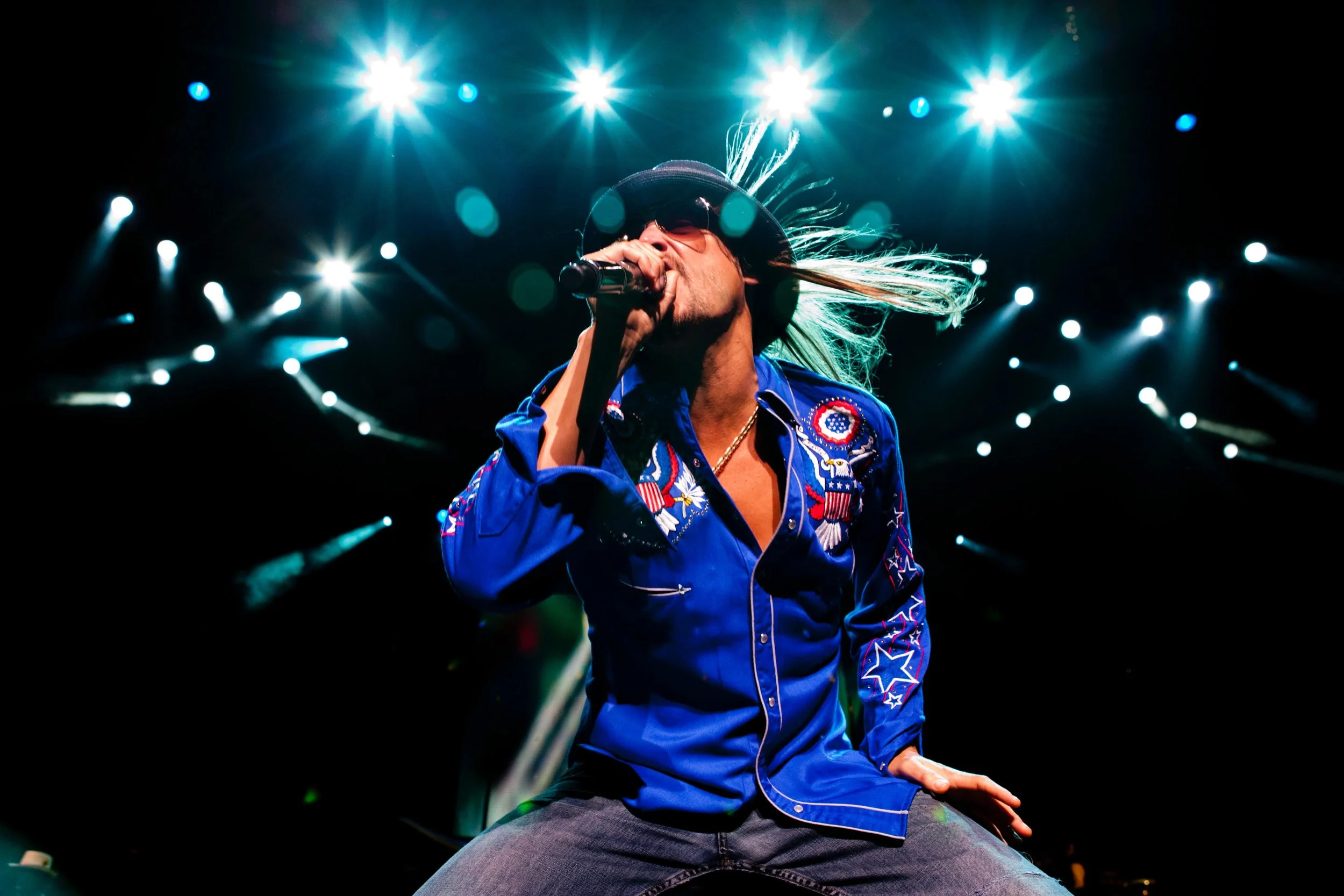
Kid Rock leads rival “All‑American Halftime Show” during tonight’s Super Bowl
Kid Rock is set to front a counterprogrammed concert billed as the “All‑American Halftime Show,” airing during the Super Bowl’s halftime window tonight, Sunday, February 8, 2026. Marketed as a patriotic, family‑focused alternative, the special features a country‑leaning lineup and is timed to coincide with the game’s mid‑show spectacle in Santa Clara, California.
When it starts and how to watch
The “All‑American Halftime Show” is scheduled to begin around 8:00 p.m. ET, aligning with the typical halftime window that falls between roughly 8:00 and 8:30 p.m. ET. Kickoff for the championship game is at 6:30 p.m. ET, placing the rival concert squarely in the national spotlight when the traditional football audience reaches peak viewership. Organizers say the event will be widely available as a livestream on their social channels and carried by partner television and streaming networks. No tickets are required; the program is intended for at‑home audiences tuning in during the break.
Who’s on the bill
Kid Rock anchors the lineup alongside three country stars: Brantley Gilbert, Lee Brice, and Gabby Barrett. The bill blends rock, country, and radio‑ready ballads, positioning the show as a sing‑along comfort watch for viewers seeking familiar hits during halftime. Promotional materials emphasize a values‑forward theme—highlighting faith, family, and freedom—and frame the set list as a celebration of American music traditions.
Why a rival halftime show now
This year’s decision to stage an alternative halftime production arrives amid intense cultural debate around the official NFL halftime headliner. The counter‑show’s backers cast their effort as a big‑tent option for audiences who want a different flavor of entertainment while still participating in the country’s most watched live television event. Framed as a unifying gesture for like‑minded viewers, the project also serves as a high‑profile statement about taste, identity, and what “American music” represents on the sport’s most visible night.
Format and what to expect
Producers have teased an arena‑style presentation built for broadcast rather than a traditional in‑stadium performance. As of Sunday afternoon, the precise staging details and run time had not been publicly finalized, and it remained unclear whether the entire concert would be live or partially pre‑recorded. Expect a compact, TV‑paced program designed to fit within the game’s pause—tight camera work, quick set transitions, and medley‑style performances that maximize familiar hooks over extended deep cuts. With multiple headliners sharing the bill, short individual segments leading into an ensemble finale would track with the format used in many televised music specials.
The bigger picture tonight
Halftime has long been a pop‑culture lightning rod, and this year’s dueling broadcasts sharpen that edge. The competing productions reflect divergent ideas about audience, language, and national identity—while also underscoring how the Super Bowl has become a stage where cultural arguments play out in real time. For millions of viewers, though, the choice may be simpler: pick the songs you want to hear during the break, then return to football. Whether the counter‑program draws a sizable share or simply energizes a niche, it confirms that halftime is no longer just an intermission—it’s a contested cultural showcase with room for more than one definition of “showtime.”
Sources consulted: People, The Guardian, San Francisco Chronicle, Turning Point USA