Austin Florian Explodes Off the Line in Cortina Skeleton Training
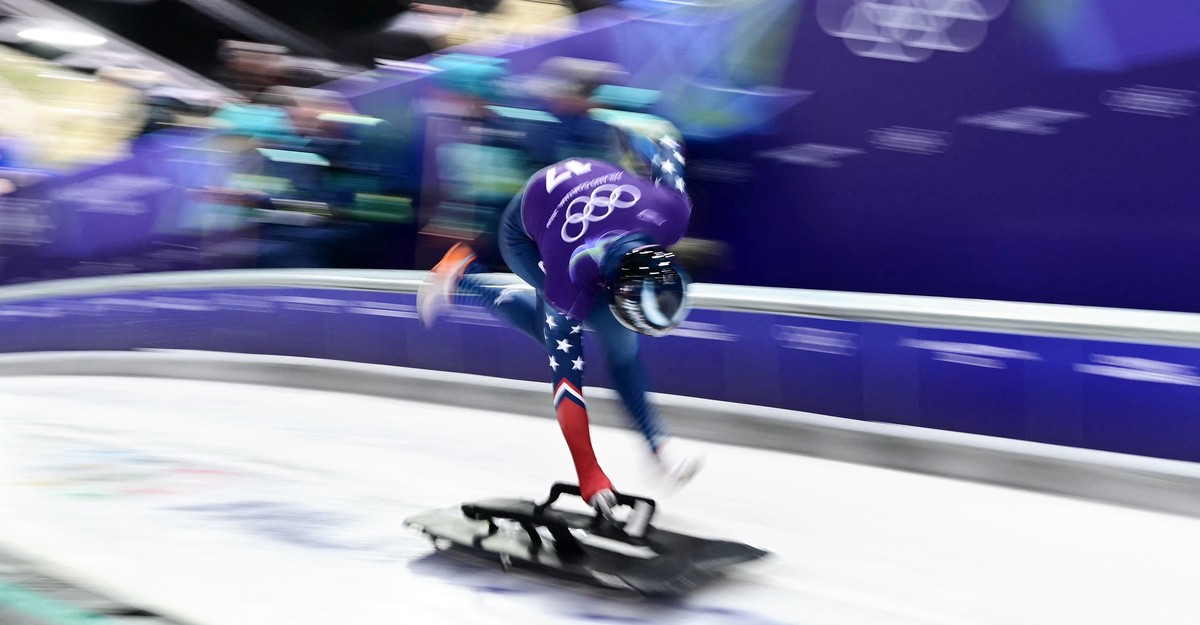
Team USA’s Austin Florian delivered a blistering opening burst during a men’s skeleton training session at the Cortina Sliding Center on February 11, 2026 (ET), offering a sharp snapshot of the precision and power required in one of the Winter Games’ most extreme speed disciplines.
A Sprint That Sets the Tone
Before a skeleton sled ever meets the ice at full tilt, the race begins with a sprint. Florian’s run in Cortina underscored just how decisive that phase can be. In spiked shoes designed to grip the ice, he drove forward with an explosive cadence, translating quick steps into a clean load onto the sled. The opening meters are both a test of fast-twitch power and a measure of technical exactness, where a single misstep can ripple through the rest of the descent.
Why the First 100 Feet Matter
Skeleton athletes have up to 100 feet to stamp their advantage. Over that short distance, a strong start compounds into meaningful time gains down the track. Each stride is about force into the ice and balance over the sled’s narrow margins of stability. By the time athletes settle into their aerodynamic position, the clock already reflects the quality of their acceleration, with even hundredths from the start magnifying across a run measured in the tightest margins.
Cortina’s Demanding Stage
The Cortina Sliding Center provides an exacting platform for that opening push. The track’s character rewards a start that is both fast and orderly, giving sliders the chance to carry clean speed into the first sequence of curves. In training, athletes rehearse the choreography relentlessly: cadence, hand placement, hips low, chin down, then a committed dive onto the sled. Florian’s repetition in Cortina highlighted that delicate handoff from sprint to glide—an instant where momentum can surge or stall.
Speed, Control, and Nerve
From a standing sprint to an icy plunge, skeleton rapidly escalates into one of the fastest experiences on the Olympic program, with runs capable of exceeding 90 miles per hour. That transformation begins the moment an athlete locks into position. For Florian and his peers, the objective is to arrive at speed while already calm and precise, trusting the line and the feel through the sled’s runners. It’s an art of holding form while the world blurs, every touch and micro-adjustment carrying consequences at high velocity.
Technique in the Details
Spiked footwear is central to the launch. Those tiny metal points let athletes claw into the ice, maximizing force with minimal slip. The body angle through the drive phase keeps power moving forward, while hands guide the sled straight and true to avoid wobble. The load—one swift, decisive move—puts the chest down and weight centered, setting up a low-friction profile. Florian’s training run featured the hallmarks of that method: a compact throw onto the sled and immediate stillness, the signal of a clean transition from runner to rider.
Team USA’s Training Focus
Training sessions at Cortina are about honing consistency as much as chasing top speed. For Team USA, the emphasis remains on reproducible starts and disciplined lines, the foundations that convert to competitive times. Florian’s display in the start zone captured that aim: staying sharp under pressure, storing gains early, and carrying them down the mountain. As training continues, those early steps will remain a critical lever, shaping momentum long before the finish clock comes into view.