Ukrainian skeleton contender barred over memorial helmet; appeal filed as Cortina races proceed
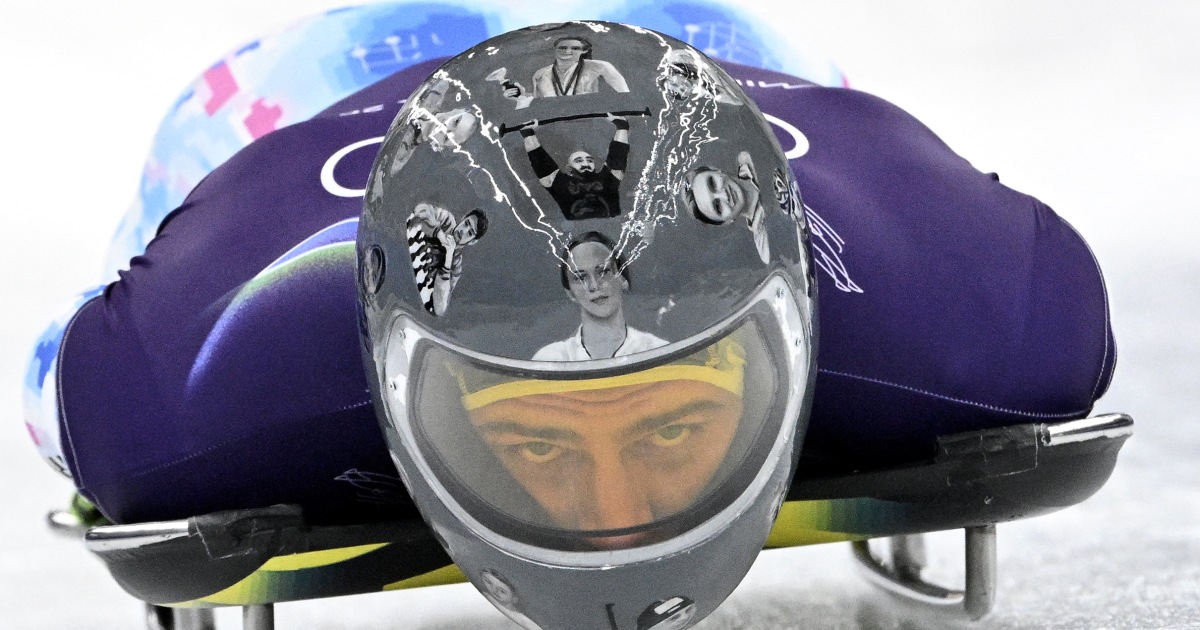
Ukrainian skeleton athlete Vladyslav Heraskevych, a leading medal hope at the Milan-Cortina Winter Olympics, was disqualified on Thursday (ET) after refusing to remove a helmet honoring athletes and coaches killed in Russia’s war on Ukraine. He has lodged an appeal with the Court of Arbitration for Sport while the men’s event continues without him.
What happened at the start gate
The decision to bar Heraskevych came less than an hour before the opening heats. He arrived at the sliding center prepared to race but was informed he could not start if he wore the commemorative helmet. The International Bobsled and Skeleton Federation determined the design breached Olympic rules governing athlete expression on the field of play, and the International Olympic Committee said participation could continue only with a different helmet.
Heraskevych, Ukraine’s flag bearer, rejected the switch, calling the outcome “unfair” and “surreal.” He said the move stripped him of a legitimate chance at a medal and insisted that stepping back would be a betrayal of those depicted on his equipment. He remained credentialed to stay in the Olympic Village but was removed from competition.
The helmet and the rule at issue
The blue-and-yellow helmet features images honoring more than 20 Ukrainian athletes and coaches who have died since the full-scale invasion began four years ago. Olympic rules prohibit political statements on the field of play. Heraskevych argued his design was a message of remembrance, not politics, and used it throughout training runs earlier in the week.
Event officials offered alternatives meant to preserve the memorial while adhering to the rule: competing with a neutral helmet while wearing a black armband or displaying the commemorative helmet off the ice. The athlete declined, saying the stance was consistent with his belief that the message should be visible in competition just as others have expressed themselves on gear in different sports without penalty.
Emotional plea and a failed compromise
IOC President Kirsty Coventry traveled to the track on race day, meeting privately with Heraskevych near the start house in a last attempt to find common ground. Both acknowledged that helmet images are hard to see at racing speeds that approach 75 mph, but the talks did not yield a compromise. Coventry said she supported the remembrance message and sought a solution limited to the field of play, describing the morning as emotional and expressing regret that the situation ended in exclusion.
Heraskevych said he believed decision-makers understood he was not violating the spirit of the rules and felt singled out given that other athletes have displayed personal messages during these Games without facing similar sanctions.
Appeal to sport court and what’s next
Heraskevych filed an appeal with the Court of Arbitration for Sport on Thursday, seeking to overturn the decision of the event jury. The filing argues the exclusion is disproportionate, not tied to any technical or safety issue, and causes irreparable sporting harm. With the opening two runs completed on Thursday and the final two runs scheduled for Friday (ET), the practical window to reinstate him is rapidly closing, even if CAS issues a quick ruling.
Regardless of the outcome, Thursday’s disqualification eliminated his opportunity to race at these Games. The sliding competition continues with the remaining field while the legal challenge proceeds in parallel.
Wider backdrop: neutral athletes and free expression debate
The case lands amid continuing debate over athlete expression and participation rules for competitors from Russia and Belarus. A limited number from those countries are competing as neutral individuals, without national flags or anthems. Heraskevych has previously argued that their inclusion is incompatible with the Olympic mission while his country remains under attack.
Ukrainian officials condemned the disqualification, calling it a moment of shame for the Olympic movement. President Volodymyr Zelenskyy said the Games should help stop wars, not empower aggressors, and asserted that no rule had been broken by the memorial design.
The episode underscores a tension that resurfaces at nearly every Games: how to balance neutrality on the field of play with athletes’ desire to honor personal and national loss. In Cortina, that conflict came into stark relief at the top of an icy chute, where a bid for compromise gave way to principle and an athlete’s Olympic start vanished in minutes.